Getting back to work

I’m back! After five and a half years, I find that I want to use this blog again. I have more to say.

Looking back at some of these posts, especially the ones from my first few years in Canada, it feels like a bit of a time capsule. I was part of a Canadian environmental movement pushing back against pipelines, salmon farms, and massive port expansions. Trudeau’s federal government was often saying the right things, making painfully slow, incremental progress on an environmental agenda, and needing rather constant nudging from us to keep at it.

We didn’t know we had it so good.

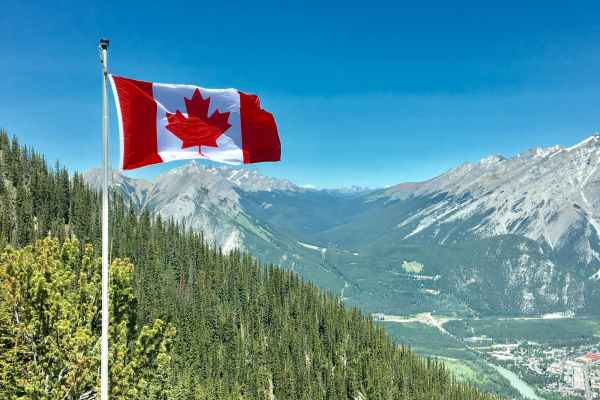
Fast-forward five years to 2026, and we find that Carney’s federal government is so frightened of Trump’s economic threats that resource extraction is front, center, and taking up the entire frame of Canada. The “keep it in the ground” mantra has been stood on its head. Rather, every effort is being made to pump every last drop of oil and gas out, and rushing it to market. Not to the US (elbows still up!), but to the vast Asian market instead.

As I re-engage with this blog, my intention is to cover as many hopeful, positive environmental stories as negative. The Green Party (both federal and provincial) has a new energy and urgency to it. The City of North Vancouver, where I live, is building real infrastructure to reduce its reliance on natural gas. (Indeed, the Lonsdale Energy Urban Heat Recovery Centre broke ground this week, on the banks of Mosquito Creek.) Canadian courts are mostly upholding Trudeau-era decisions about open-net salmon farms littering the Salish Sea.

There’s a noticeable determination in ordinary people to correct the current course we are on. Let’s get to work!

Wild salmon runs: Help coming this month?

What follows is another letter to the Trudeau government on behalf of the environmental group, Ecojustice.

It might be human nature: commitments made with ardent urgency at one point in time can lose their intensity with the passage of time. I get it. I’m asking you today to resist this natural impulse and make good on an important commitment made years ago on the campaign trail.

The Cohen Commission report of 2012-13 found a clear connection between reduced sockeye salmon runs and open-net fish farms. In one particular area of British Columbia, the Discovery Islands, a cluster of these fish farms makes for a perilous journey through narrow waterways for wild salmon making their way from the Fraser River out to open ocean. The transmission of sea lice from farmed salmon endangers the lives of the migrating salmon, but the issue is even more broad than that.

The Cohen Commission states: “Open net pen aquaculture, as currently practiced in British Columbia, has the potential to create problems for wild salmon populations because the pens are open to the environment, allowing wastes, chemicals and pathogens to move freely back and forth.”

These farms must be removed per Prime Minister Justin Trudeau’s promise years ago during campaigning. Trudeau pledged to implement every one of the Cohen Commission’s 75 recommendations to remedy the problem of diminishing wild salmon runs in the province. Importantly, there’s a deadline coming up soon on one of the most important of these recommendations: #19, pertaining to the prohibition of net pen salmon farming in the Discovery Islands by September 30 of this year.

That date quickly approaches, and I’m concerned that we’ve not yet heard from the Trudeau government about whether you will keep your promise. Words can be great, but actions matter more. I urge you meet your deadline, and take action now rather than delay for any reason, be it for yet another round of further study or to compromise with the farming industry now that the Cohen Commission inquiry feels like a distant memory.

Wild salmon are a keystone species. They need to be protected. I’m counting on you to do what was promised to Canadians on the campaign trail and remove all open-net fish farms from the Discovery Islands.

UPDATE: On December 17, 2020, Canada’s Fisheries Minister announced that the Discovery Islands fish farms would be completely phased out by summer of 2022. These farms cannot acquire new fish in the interim period. They can only harvest existing stocks.