Finding the right solar panel manufacturer

Arguably the most important choice you’ll make if you go solar is who’s going to make your panels? I considered four different manufacturers, and discovered that return-on-investment was just one of several values at play in my decision. Here’s my list of pros and cons, at a glance:

Manufacturer Pros Cons
SunPower
  • most powerful, efficient modules
  • most attractive modules
  • manufactured in Mexico
  • relatively high price per watt
  • slower ROI
Itek
  • manufactured in Washington state
  • faster ROI
  • delivery delays reported
  • least attractive modules
SolarWorld
  • manufactured in Oregon
  • Green Brand certified
  • relatively low price per watt
  • attractive modules
  • fast, reliable delivery
  • slower ROI
Silicon Energy
  • manufactured in Washington state
  • faster ROI
  • attractive modules
  • announced that no new orders would be accepted in 2014

Itek, located in Bellingham, and Silicon Energy, located in Arlington, are the two in-state manufacturers you can choose from if you want to take advantage of the attractive incentive program currently in place in Washington. Through this program, you can earn 54 cents per kilowatt hour produced by your solar array if you have bought panels and inverters locally. This is the biggest reason why ROI is quicker for consumers with these in-state panels.

By contrast, if neither your panels nor inverters are manufactured within state lines, you earn 15 cents per kilowatt hour. It’s still a nice perk of going solar here, but it’s obviously considerably less, and the ROI for consumers who go this route could be double the amount of time or more.

I was disappointed that Silicon Energy essentially played itself out of the competition for my business by stopping new orders for the year. I would have liked to support a small in-state business.

Itek struck me as a safe, solid choice if I were determined to get those in-state incentives and enjoy the quickest ROI. But ultimately I rejected their panels for aesthetic reasons: their clunky appearance, with old-school gridlines and overly-visible framing, just didn’t appeal to me. My hope is that in the future they will offer more variety in their lines.

So that left me with my two out-of-state options (there are, of course, many more, but it helps to place some limits on the range of choices). For sheer efficiency and aesthetics, SunPower would have been my choice. Their modules are rated at 320-330 watts, while the others come in at 270-280 at this writing. And their Signature Black Solar Panel line is as elegant as I’ve found on the market (all black, no visible gridlines or framing). But I really value local and U.S. made products, and the fact that SunPower is neither was a negative mark I would find it hard to live with, much less sell to my wife!

Although SolarWorld has German roots, its U.S. headquarters in the Portland area produces American-made panels. I have some family ties to Oregon, and frankly Portland seems as local to me as Bellingham or Arlington. It is just an unfortunate river that gets in the way of SolarWorld panels qualifying for the Washington state incentive.

More importantly, because they are a larger and more established company, SolarWorld could get their product up on my roof in about a month, with no delivery delays or drama surrounding inventory. SolarWorld is the only one of the four that had been certified green, a compelling selling point in a competitive market. And finally, from a design point-of-view, their black frame line is second only to SunPower for visual appeal.

The ROI for my SolarWorld array is projected to be 13 years. It is certainly possible that technical advances in panel efficiency in the future will make that feel like an albatross around my neck. But for me, competing values such as reliability, aesthetics, and “local-enough” were enough to impact my choice of manufacturer.

Photo of solar panels

What actually happens during a residential solar installation

Step-by-step, here’s what to expect when you go solar:

You get a site assessment, in which a trained technical consultant meets with you to listen to what your goals are, and to gather information about your home’s solar potential. This sales consultant will spend some time up on your roof, using a tool like the Solmetric SunEye to measure the impact of shading from any nearby trees, roof vents, and so on. The SunEye factors in things like the orientation and pitch of your roof, geographical latitude, and time and calendar date variables to help the consultant locate the optimal positioning for the array of solar panels.

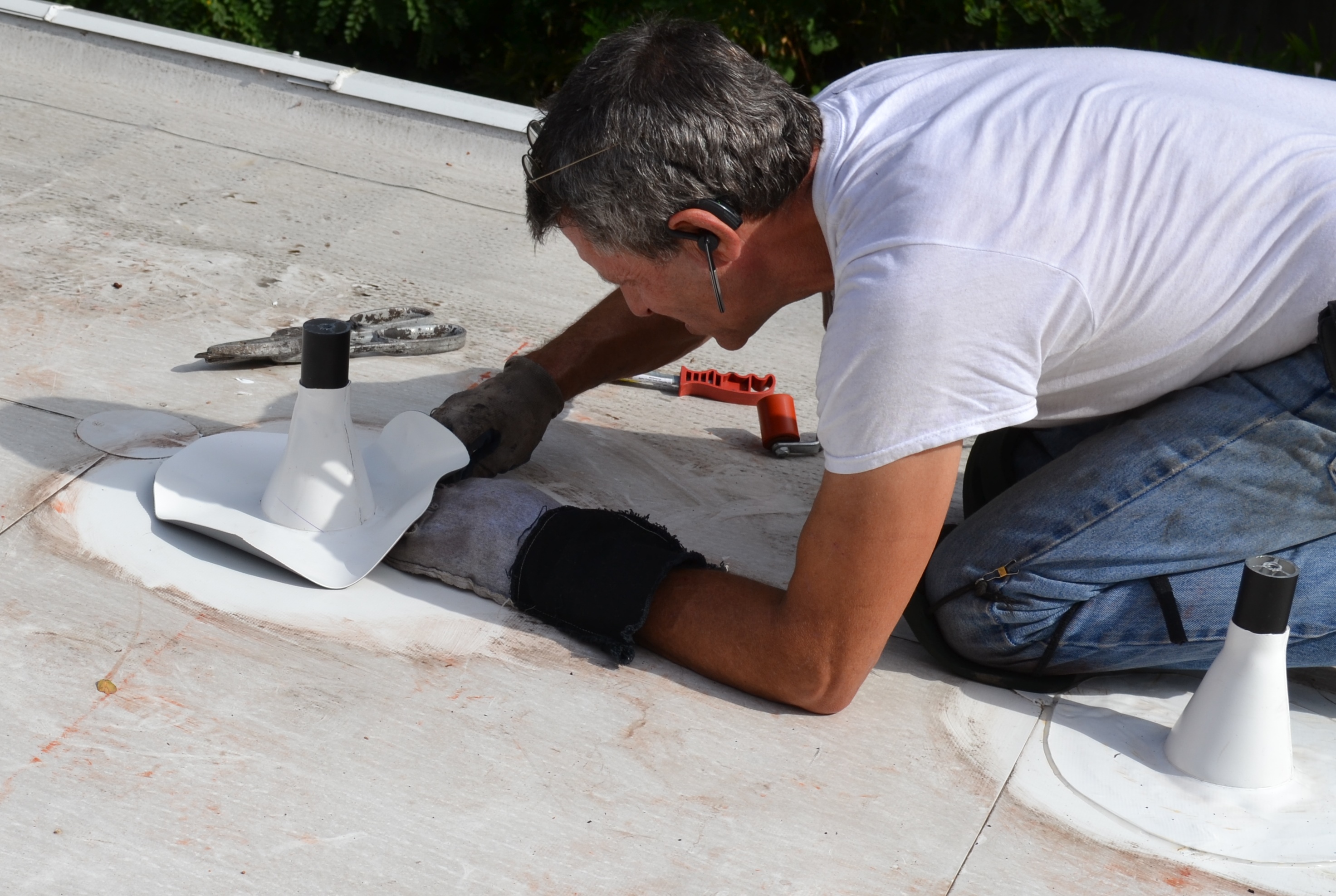
If you have any special roofing considerations, the solar installation company may subcontract that part of the job to a roofer. For example, my PVC membrane roof required special “boots” to be constructed to ensure that roof penetrations for the solar racking and mounting structure would be seamless.

Photo of roofer working

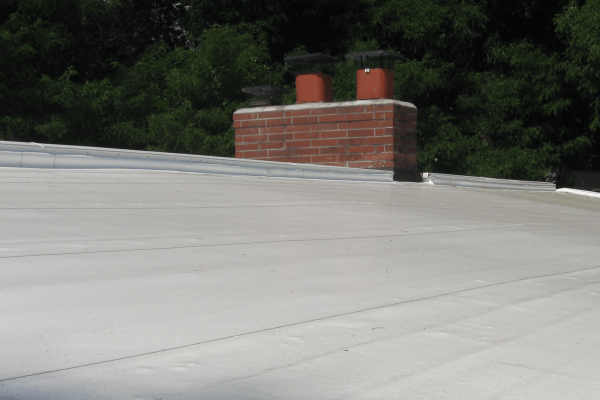
A roofer preps my PVC membrane roof. Surprisingly, this was actually the most time-consuming part of installing the array.

Next the racking and mounting system is installed. This includes clamps, mounts, and the long rails on which the solar panels are eventually attached. At this point you can really begin to visualize what the array will look like on the roof. The racking and mounting equipment for my array comes from a Washington state company called SunModo.

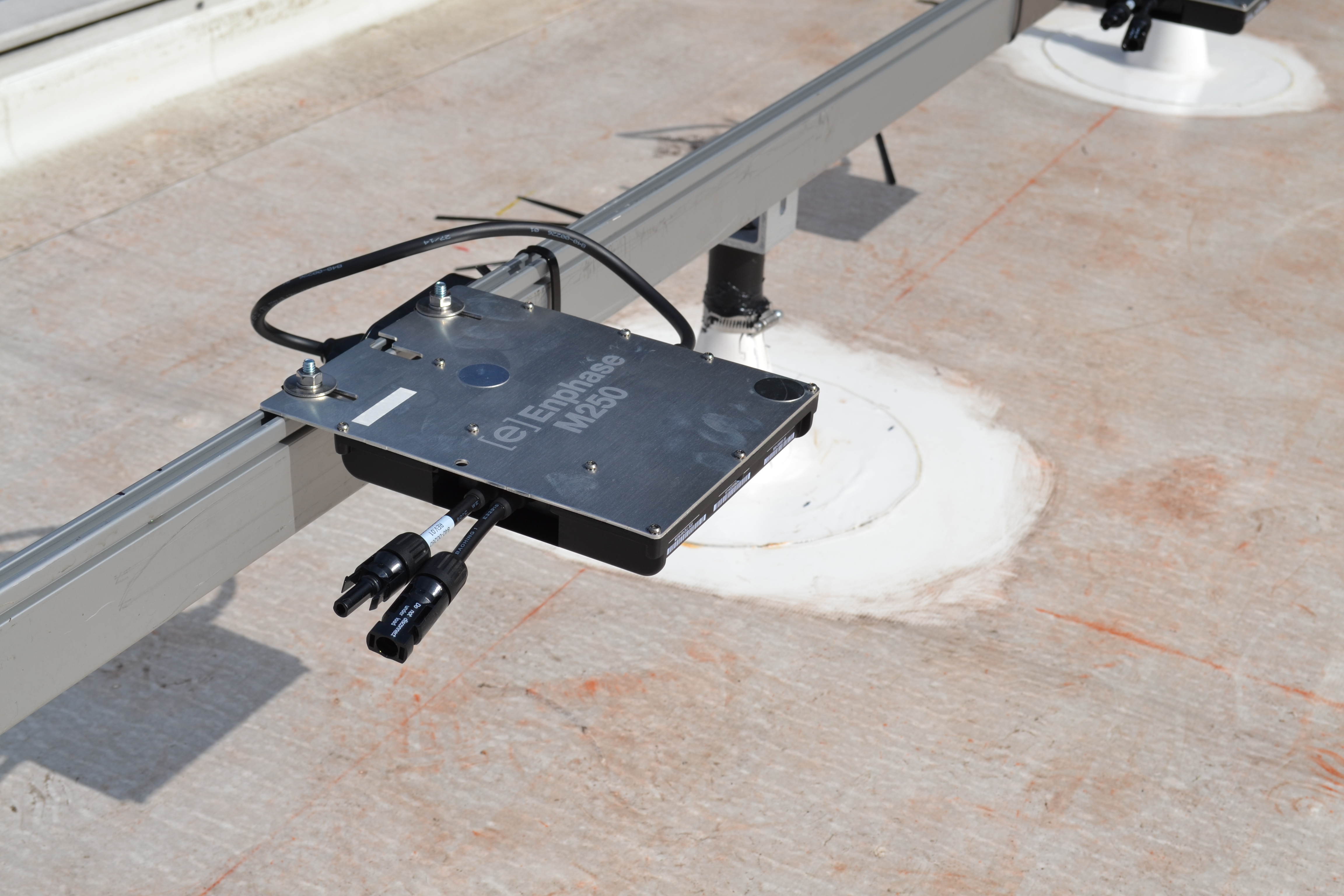
Solar panels produce DC power, which must be inverted to AC power in order to be usable in your home. This means that a key component of your array is an inverter. You can get a string inverter (or two), which is usually located in the garage, or you can now get microinverters that are much smaller in size and are located on the back of each solar panel. Microinverters are particularly desirable to mitigate the impact of shading, because they free individual panels from being dependent on power flowing from neighboring panels (as they would in traditional string arrays). In my case, because I do have a couple of trees in the backyard, I opted for microinverters from Enphase, the California company considered a leader in the field. The solar installers attached the microinverters to the racking rails, before installing the panels themselves.

Photo of microinverter

The Enphase M250 microinverter is optimized for higher-powered solar panels and carries a 25-year warranty.

Next the solar panels themselves are attached to the racking and mounting system. In theory, this is one of the simplest parts of the overall installation work. But I was glad that my installers really took their time to align the panels precisely along the rails, so the appearance of the array would be as clean and professional as possible.
When it comes to residential installations, the neighborhood “eye-test” is more important than you might think. You want your home’s solar array to be aesthetically pleasing, not an eye-sore.
And finally, all the electrical work of the array is prepared, including connecting the microinverters to the panels, and running wiring down from the array to a photovoltaic load center box, and from that box to the home’s power box as well as two utility meters.

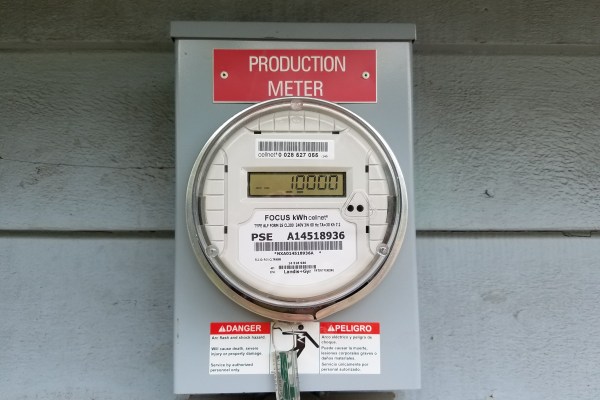
Aside from the panels themselves, perhaps the big stars of any new solar array are these two meters: one a new production meter, which records the total power the solar panels are producing either for use in your home or back out to the grid; and the other is most likely your existing meter from the utility, only now transformed into a net meter, able to spin backwards if your solar panels are actually producing more power than you are using in your home at any given moment.

And there you have it! There really aren’t that many moving parts to this technology, so installations can be pretty quick and painless compared to other home improvements you might make.

Solar panels now installed at the Dunn residence

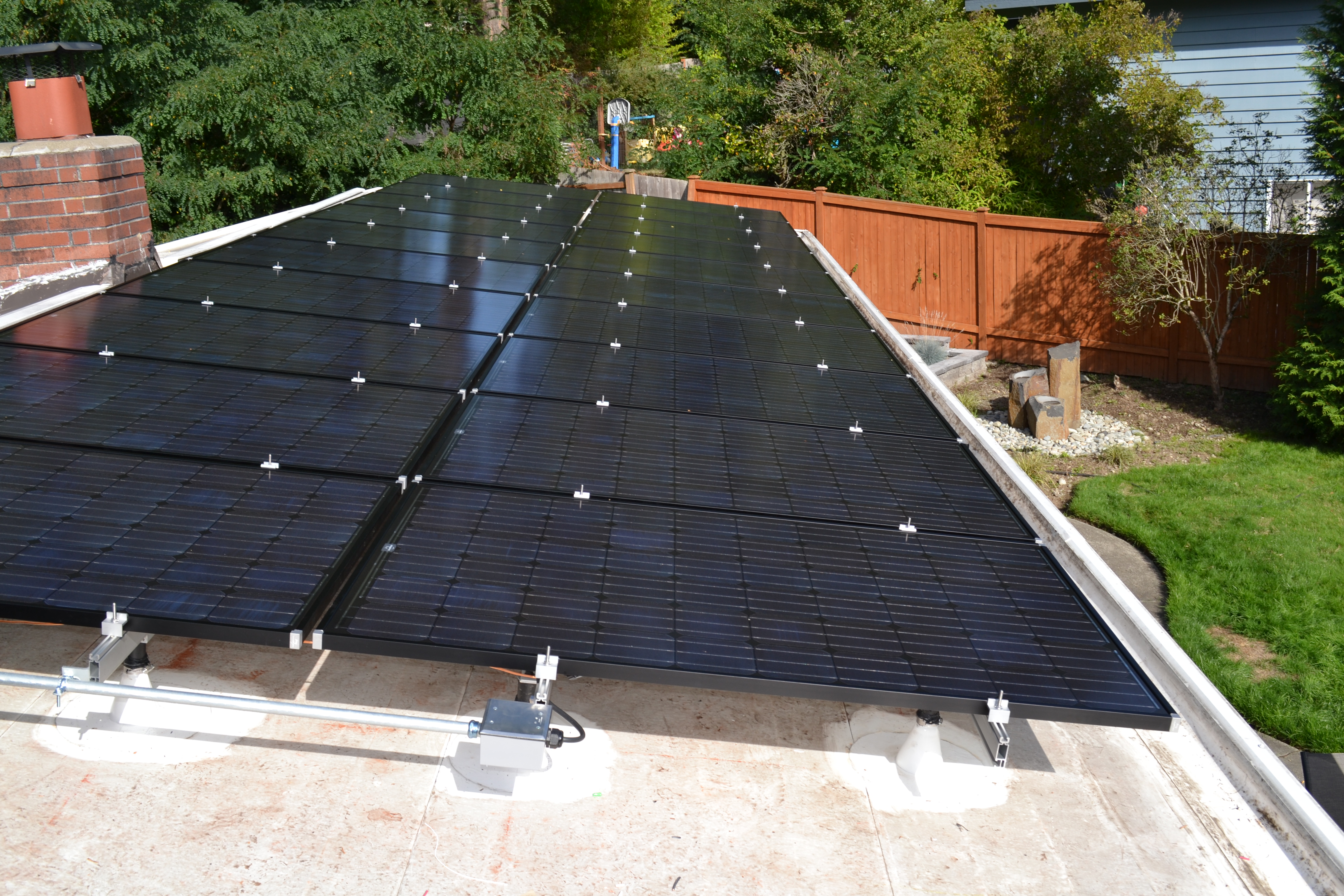
Perhaps the weirdest thing about getting solar panels installed on my roof was that it all felt perfectly normal. Three friendly, experienced installers from Northwest Electric & Solar came out to the house last Tuesday, along with a roofer who was needed for his expertise in working with PVC membrane roofs, and by mid-afternoon Thursday the job was done.

Photo of solar panels

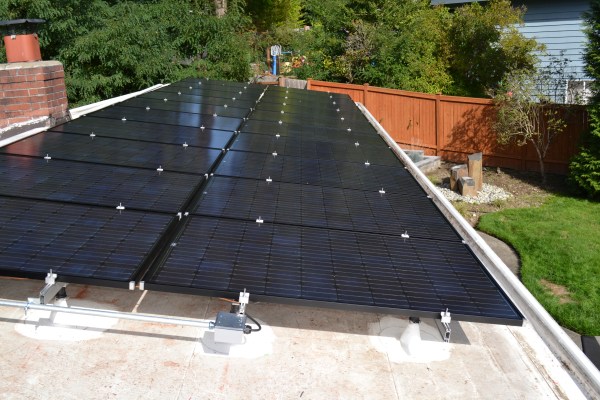
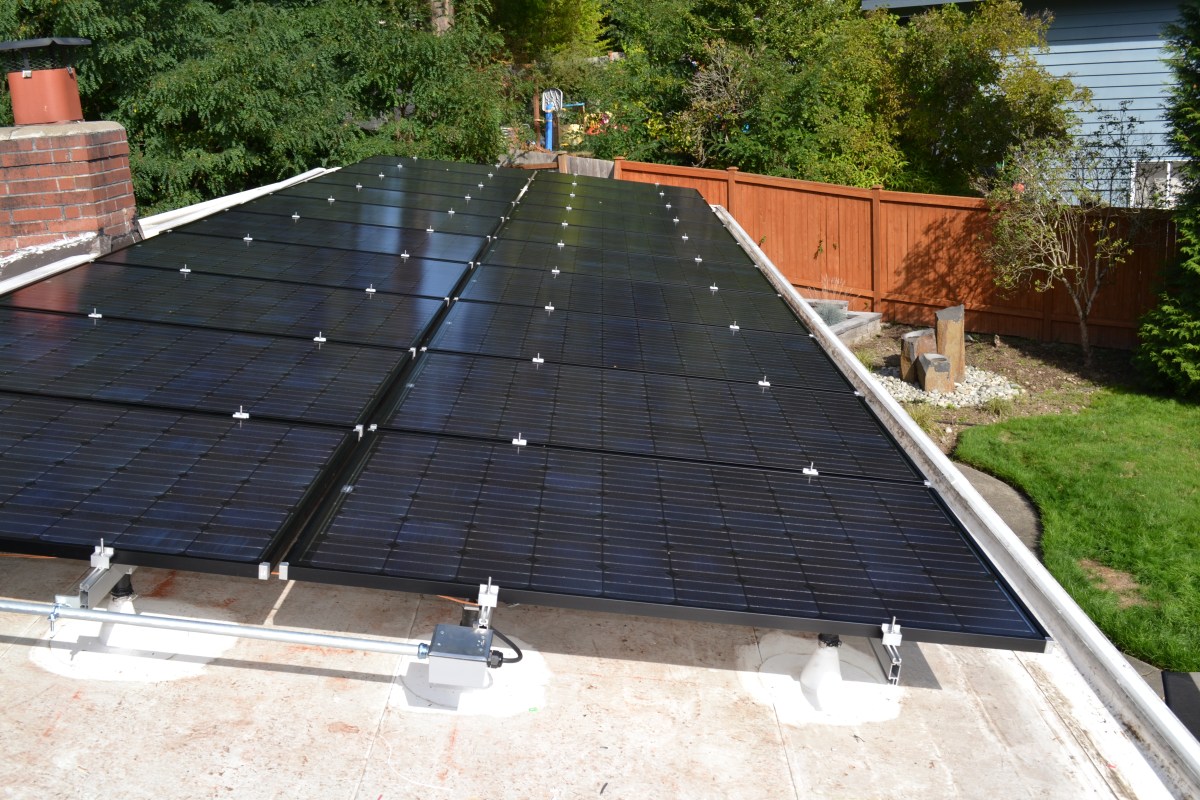
Twenty black-framed solar panels from SolarWorld in Oregon. The 5.5 kW system is slightly larger than typical residential installations here in the Seattle area.

The array is not “on” yet—Puget Sound Energy will come by in a couple of weeks to ensure that the juice produced works and plays well with the grid—but the infrastructure is now in place for my home to be a power producer, not just a power consumer. Next summer I am guessing the sight of my power meter spinning backwards will not be an uncommon one!

I’ll periodically update this blog with data from my power bills about how the system is performing, and any pleasant or unpleasant surprises along the way (for example, will cleaning and maintenance be more of a pain than I think?).

Electrons with a conscience

One of the more pleasant surprises to me about the neighborhood solar campaign I’ve been tracking this winter is the philanthropic aspect of it. The local installation and manufacturing companies involved have voluntarily sliced into their profit-margins to support the community-strengthening work of three nonprofit organizations.

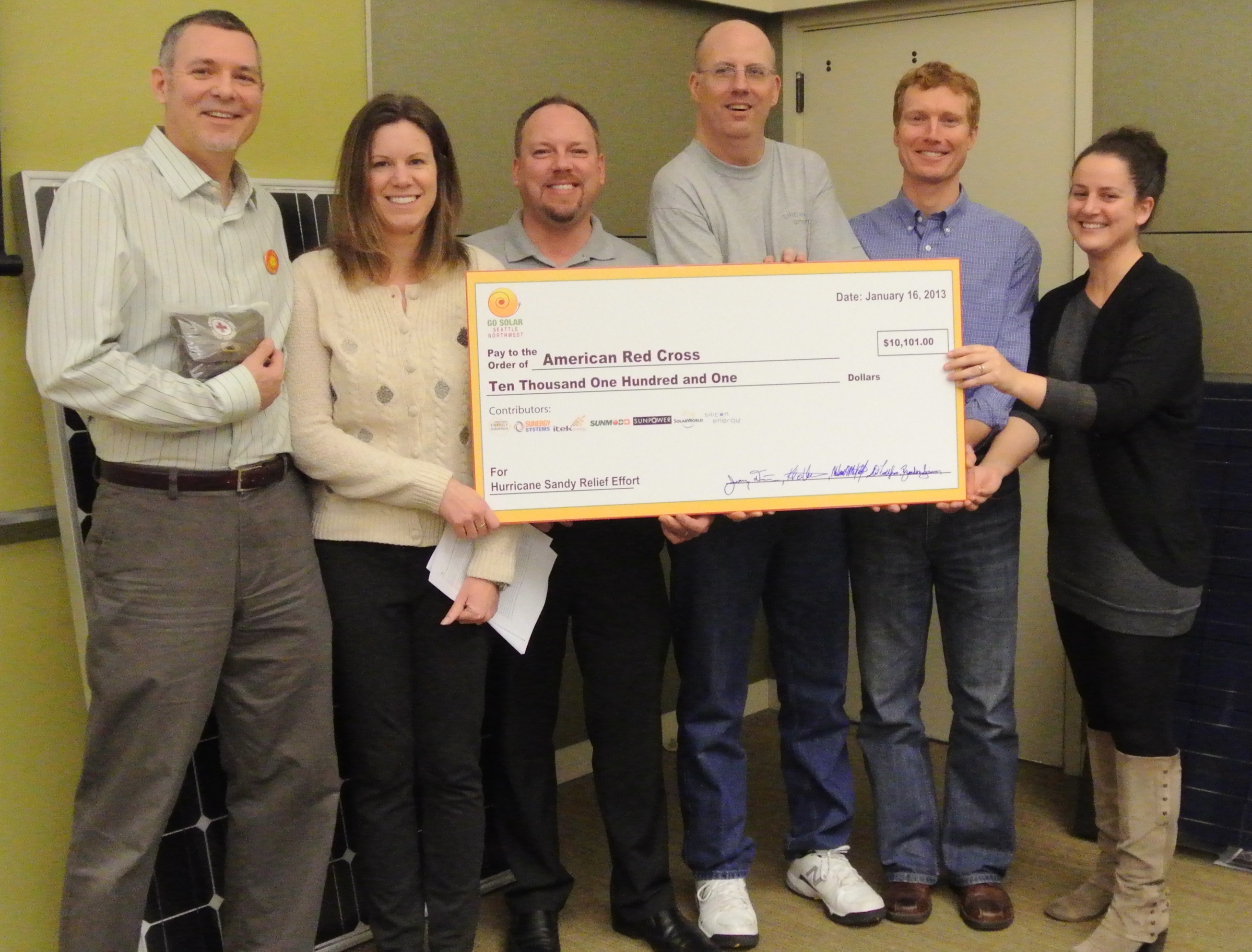
First, and perhaps most impressively, the campaign raised $10,101 for American Red Cross disaster relief. This financial boost came from sales of solar panel arrays during part of the campaign (through December 31, 2012).

Photo of people standing behind large donation check

From left to right: Joe Deets of Community Energy Solutions, Ann Bodden of the American Red Cross, Brandon Gwinner of Sunmodo Corp., Stu Frothingham of Silicon Energy, Karl Unterschuetz of Itek Energy, and Melissa Metcalfe of Sunergy Systems

Bodden is particularly grateful to Joe and Tammy Deets, who saw a connection between the Hurricane Sandy disaster and climate change: “Joe and Tammy did an amazing job of rallying the manufacturers they work with to help raise over $10,000 for American Red Cross disaster relief. They were motivated and enthusiastic about helping the American Red Cross raise funds following Superstorm Sandy.”

Second, the Go Solar Seattle Northwest campaign is carving out $150 of each sale in Ballard territory to go to Sustainable Ballard. At this writing, 10 systems have been sold in zip codes 98107 and parts of 98117, amounting to $1,500. That’s no small change for a nonprofit community and environmental group that runs solely on volunteer power!

And finally, the organizers of the campaign, Community Energy Solutions, are themselves a nonprofit, whose mission is to “bring energy solutions to Main Street by being a catalyst for communities.” The sales from this particularly successful campaign will no doubt help them continue their catalyzing efforts. Up next: an energy efficiency workshop in Issaquah, where they will present information about combining home energy efficiency measures with solar power for optimal savings.

How to make installing solar more affordable

The up-front cost of installing a solar array on the roof of a home has often been cited as a barrier to entry for an ordinary homeowner. But now financing the system is pretty common, whether through a leasing arrangement or a low-interest loan. And when you can “go solar” for hardly any money down, all of a sudden it isn’t hard to imagine neighborhoods dotted with paneled rooftops.

Puget Sound Cooperative Credit Union (PSCCU) is offering low-interest loans to cover up to $35,000 of the cost of installations purchased through the Go Solar Seattle Northwest campaign. This means in most cases you can get those panels up and producing juice for you without putting a dent in your savings.

Photo of people signing up for solar site assessment

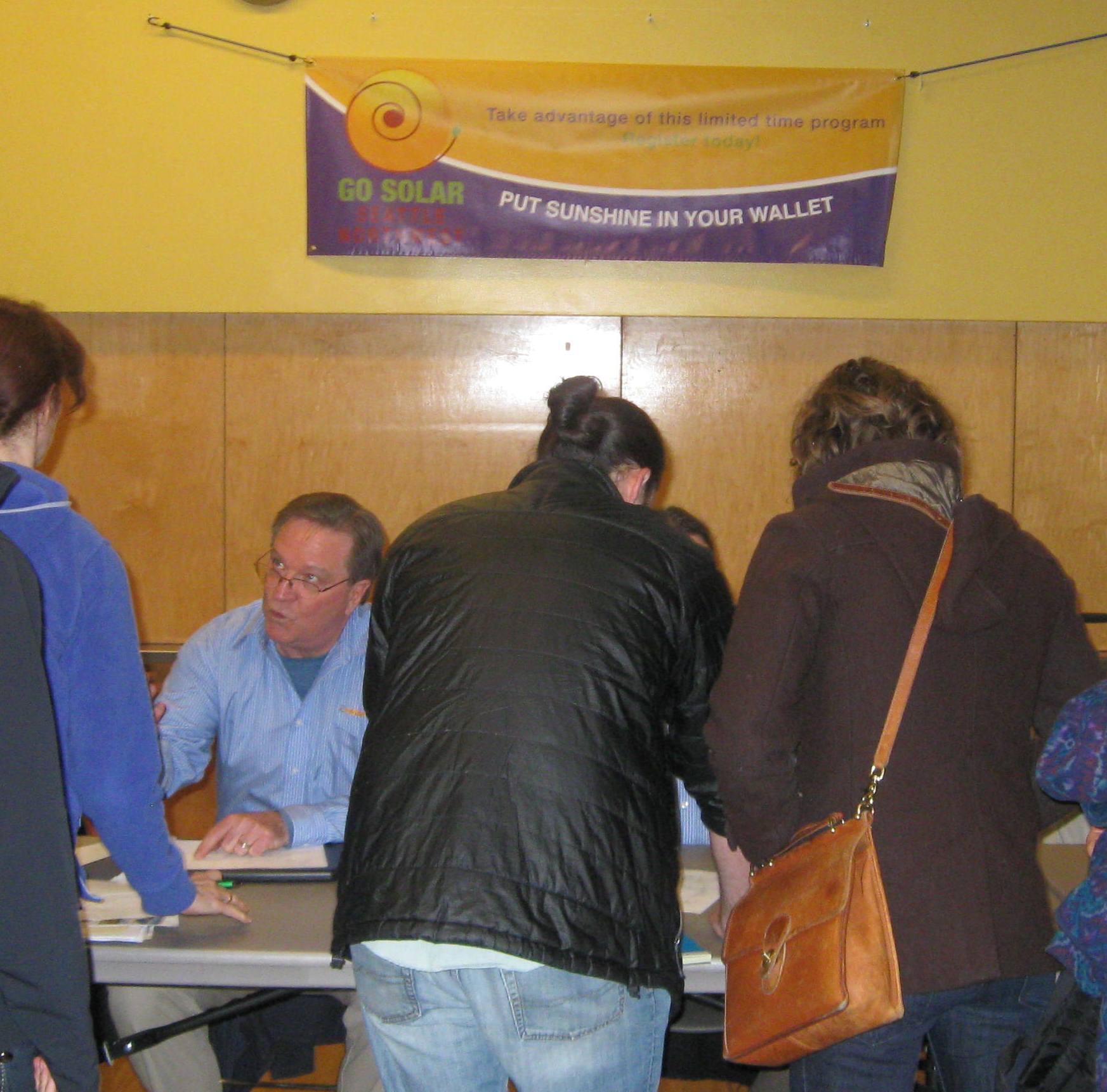
Attendees at a Go Solar Seattle Northwest workshop in December sign up for a free site assessment from Sunergy.

For example, say you’ve got a moderate-sized home, and after consulting with a solar professional, you’ve determined that you want a system that costs $20,000 total. You’ve planned ahead a little, so you can afford to pay for half the system when it is installed, but you’ll need to finance the rest of it.

You go see one of the loan officers at PSCCU, and because you’ve got a respectable credit rating, they can offer you a $10,000 loan at 5 percent interest. You can pay off the balance of the loan over a leisurely 15-year period if you like.

The really cool thing for you as a borrower is that that new solar array on your house isn’t just sitting around doing nothing; it is working on your behalf, every day (or nearly every day), creating value as power that you can use yourself or sell back to the utility. State of Washington incentives are structured such that if you buy in-state solar panels and inverters, you can realize a 10 percent per year return on investment.
The cost of money from the credit union is easily offset by the return from the solar installation itself.
In other words, the cost of money from the credit union (4.49-7.99 percent) is easily offset by the return from the solar installation itself (approximately 10 percent).

Shannon Ellis-Brock, Chief Operating Officer of PSCCU, says the loans make good business sense for the credit union as well: “Our small credit union was just given an award for being 5th in loan growth for all US credit unions in 2012. This was in large part from growth in Energy Smart loans (which include solar) and our commitment to offering Washington homeowners a way to finance green projects.”

But for Ellis-Brock, the reason for partnering with a program like Go Solar Seattle Northwest goes beyond just dollars and cents. “Credit unions were founded on the principle of people helping people – we have expanded on the principle and not only are we helping people, we’re helping the environment, helping to reduce our reliance on foreign fuels, and making use of an energy supply that is free and will be around forever,” she added.

This combination of long-term idealism and here-and-now pragmatism is a healthy sign of a maturing renewable energy movement. Bankers absolutely have their role to play in this. As Danny Kennedy writes in Rooftop Revolution (2012): “Financial engineering allows you to pay for your solar panels over time instead of up front, and this is probably the most important innovation in the solar industry in the past decade” (p. 99).

The “Go Solar Seattle Northwest” campaign

Savvy homeowners are beginning to shop around for something a little unexpected: energy. No longer strictly the purview of big utility companies or off-grid eccentrics, rooftop solar arrays are becoming more of a mainstream home improvement option for ordinary consumers.

Though costs have come down, and state and federal incentives help sweeten the pot, a typical installation is still a five-figure affair ($15,000 – $30,000), roughly similar to buying a new car. “Shoppers” in this new market will want to proceed deliberately, do their homework, and not have to contend with a high-pressure pitch from some showroom salesman.

And that’s precisely what’s so refreshing about what’s going on in some Seattle neighborhoods right now. The Go Solar Seattle Northwest campaign is a collaboration among two non-profit groups, Community Energy Solutions and Sustainable Ballard, a local solar panel installation company, Sunergy Systems, and other key partners. And it’s hitting just the right note with homeowners who are curious about going solar.

The campaign is primarily organized around four free workshops, presented on neutral ground at places like the Ballard Public Library and Phinney Neighborhood Center. At the two that I’ve attended so far, small groups of 20-30 program registrants listen attentively to a straightforward, factual, friendly presentation from Joe Deets of Community Energy Solutions and Howard Lamb of Sunergy. The audiences are ready with intelligent questions, and aren’t shy to ask them at any point during the 90-minute session: how quickly can I see a return on investment? How will this affect the integrity of my roof? What do I have to do to clean and maintain the modules?
Rooftop solar arrays are becoming a mainstream home improvement option for ordinary consumers.
For Deets, taking a collaborative approach to this campaign made sense on a number of levels. “It was only natural that we approach Sunergy Systems as the installer. Sunergy is the largest solar installer in Washington, they have an excellent reputation, and couldn’t be more local, with their office right in Ballard. They recommended that we talk with Jenny Heins of Sustainable Ballard as another partner. Jenny knows everyone, and has really helped us get the word out. We are thrilled to have such excellent partners in this campaign.”

Indeed, the project dovetails seamlessly with the mission of Sustainable Ballard, which was originally formed in 2003 with energy independence as part of its core philosophy. In return for its grassroots expertise and neighborhood communications efforts, Heins said that the non-profit receives $150 for every sale.

And rounding out the collaborative effort is Silicon Energy, a module manufacturing company in western Washington. Registrants may select from four different module manufacturers, but Stu Frothingham of Silicon Energy is always on hand at the workshops to answer questions, and may even invite you to hop up and down on the world’s most durable module!

Photo of solar panel

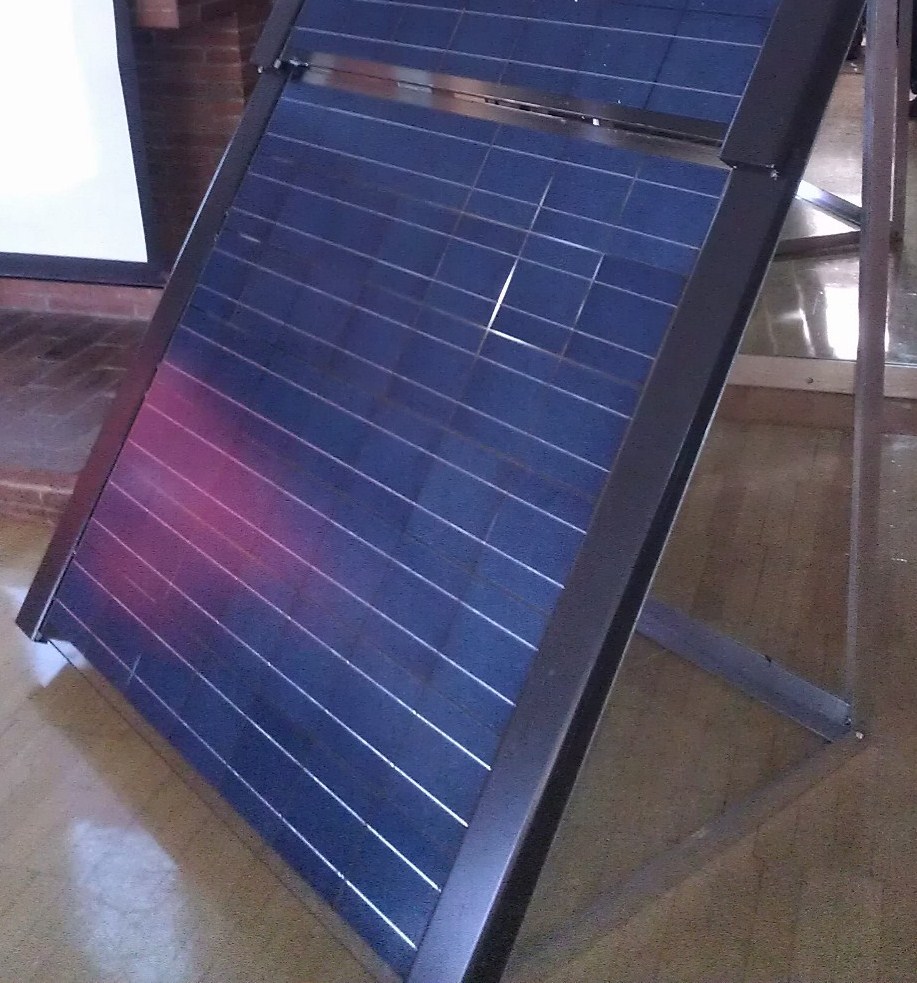
Silicon Energy module on display at one of the workshops.

Though internationally the solar industry is robust and mature, here in the US it really does feel like an emerging sector, very small-scale still. For this reason, highly collaborative efforts such as the Go Solar Seattle Northwest campaign and others similar to it, may be exactly the right model for disseminating information and connecting small, local businesses to a potentially enthusiastic customer base.

EVs: Shades of gray among the dreams of green

Though the effort to scale up production, sales, and even to some extent the cultural acceptance of electric vehicles (EVs) on US roadways is commendable, we need corresponding attention to how that electricity is generated in the first place. If it comes from a dirty source like coal, you could be creating far more greenhouse gas emissions than you realize as you gaze in admiration at your smokeless EV tailpipe.

Estimates from the Department of Energy (DOE) show that greenhouse gas emissions nearly triple when the same EV is dependent on a relatively dirty electric grid compared to a relatively clean one (with a greater percentage of electricity coming from renewable sources such as wind, solar, and hydropower). For example, a Nissan Leaf in the Denver area spews 330 grams of carbon dioxide per mile (g/mi), but only 120 g/mi emitted by the same car in the San Francisco area.

Granted, the dirty-sourced EV still fares better than the 500 g/mi average for new, gasoline-powered cars. So yes, by all means, let’s make sure the EV momentum we have seen in the last couple of years doesn’t stall out. But let’s also recognize that we need to use this phenomenon as another lever to persuade policymakers and utilities to increase the proportion of renewables in the overall energy portfolio.

Check out this DOE website where you can plug in your zip code and see how your area and car model stack up: Beyond Tailpipe Emissions.

Energy reading: Two reviews

What’s the best way to convince people about the value of renewable forms of energy (such as solar and wind power) and to make them care about using energy more efficiently in their own lives? It has been a surprisingly difficult task, especially in the U.S., which notoriously hasn’t signed on to the Kyoto Protocol and has recently stalled on passing national energy legislation.

Two books published mid-decade take a decidedly left-brain approach: from the careful, rational argumentation of Craig Morris in Energy Switch: Proven Solutions for a Renewable Future (2006), to the barrage of numbers and calculations presented by Godo Stoyke in The Carbon Buster’s Home Energy Handbook: Slowing Climate Change and Saving Money (2007), these authors aim to persuade not through high-pitched, emotional rhetoric or even through moral imperatives (the position Al Gore staked out so emphatically in An Inconvenient Truth), but instead through pragmatism and statistical analysis. I found their voices a welcome addition to the overall dialogue, though not without some flaws.

Morris reviews the entire spectrum of energy sources, including fossil fuels (oil, coal, natural gas), mature renewables (solar, wind, geothermal), developing renewables (fuel cells, tidal, wave), nuclear, and biomass. He concludes the book with chapters about power grids and efficiency measures to decrease energy consumption.

This book does not divide sources of energy into “good guys and bad guys.”“This book does not divide sources of energy into ‘good guys and bad guys,’” Morris states in his introduction, “but rather points out the necessity—indeed, the inevitability—of a switch to renewables. Though inevitable, this switch will be painful if we wait too long” (p. 1). He suggests that the remaining and finite supply of fossil fuels be used largely on behalf of the establishment and growth of renewable supplies. This makes the energy “switch” more of a manageable transition than a desperate lunge.

Morris differentiates himself from most American observers of energy policy by his ability to provide detailed comparison of US policymaking with that of Europe. Germany in particular is far ahead of the US with regard to making the switch to renewables, even though solar, wind, and geothermal resources available within German borders are far less than is available here. He greatly admires the political coalitions in Germany (left and right, green and conservative) that have come together to create and maintain the Renewable Energy Act there. He delves deeply into technical and political details of that policy (such as feed-in tariffs, tax incentives, and localized power distribution), and throughout the book backs his claims with numerous tables, charts, and footnotes. Once or twice he allows himself a slightly preachy, condescending tone towards what he regards as a particularly American recalcitrance in the face of European far-sightedness, but writing as he was during the Bush administration, one can forgive the lapses of frustration on his part.

Some of the most effective moments in Energy Switch take place when Morris, who is well versed in the arguments used by skeptics of renewable energy, takes on these objections directly and counters them calmly and systematically. For example:

  • Renewables are inefficient; the technology just isn’t there yet. “The efficiency of a coal plant… cannot be compared to the efficiency of renewables. A coal plant with 33 percent efficiency is by no means twice as efficient as a monocrystalline cell with at least 16 percent efficiency. The sun sends us far more energy than we would ever take” (pp. 117-8). That is, a 16 percent conversion of a practically infinite supply works out better than a 33 percent conversion of a very finite supply.
  • Renewables can’t compete in the marketplace without heavy government subsidies. Government subsidizes all forms of energy; renewables aren’t getting preferential treatment. Even in Europe, subsidies bestowed on coal, oil, and gas quadrupled those given to all kinds of renewable energy in 2001 (p. 79).
  • Renewables aren’t practical for utility-scale usage because the power they produce is intermittent. Geothermal power isn’t intermittent, with a 95 percent reliability rate that puts coal plants and nuclear plants to shame (p. 134). Further, when wind and solar are paired the problem of intermittent production is substantially reduced, because wind often kicks in at night.
  • Renewables are the answer to a problem we don’t really have (global warming). Actually, renewables are the answer to a whole host of problems, even leaving aside the question of climate change. They’ll be producing power long after all the fossil fuels have been used up, they’ll create jobs, they’ll foster energy independence, and they’ll improve quality of life for those of us who breathe (p. 76).

Though Morris does an admirable job bringing to light many of the strengths of renewables and suggesting a moderated course for making the “switch”—including continued research in such areas as coal gasification and cogeneration natural gas turbines—I can’t help but think his book won’t reach a general audience.

By contrast, Stoyke’s Home Energy Handbook just might. Loaded with pocketbook appeal, this resource has got to be the ultimate in bottom-line, number crunching around efficiency measures for the homeowner. Right on the cover, emblazoned almost like an Oprah book-of-the-month endorsement, is the eye-opening claim that you can save $17,000 over a 5-year period.

Stoyke walks the reader through detailed recommendations in home design, transportation, electric power, heating, cooling, water usage, and environmental goods and services. Rather shrewdly, he presents his findings through two lenses: the “carbon miser” lens, which sees efficiency measures in terms of dollars and cents, and the “carbon buster” lens, which sees efficiency measures in terms of carbon emissions reductions.

Read this book cover-to-cover, and you are likely to find all the numbers deployed here lose their impact. For example, at the foot of many pages in the book cryptic references would appear in gray highlight, such as “Carbon Miser: 20.9%; $8512.00” or “Carbon Buster: 32.6%; $10,197.70.” I lost track of what these statistics were referring to: a specific measure discussed on the page? A group of measures discussed in the section? Something cumulative or in aggregate as you read along?

But treated more as a loose reference book to understand what efficiency measures you can take, how much impact generally it will have, and even tips for green shopping as you give it a go in your own home, Stoyke’s approach is invaluable and turns up some surprising options.

He champions some decidedly low-tech and unsexy fixes, such as sealing air leaks around your house and capping your chimney when not in use. It turns out these can save you more in five years than better known approaches like adding insulation to the attic (though that helps too, but Stoyke’s comparative tables give you an at-a-glance look at how to prioritize if you have a limited budget or commitment to all this).

Or if you are looking to replace your old water heater tank with something more environmentally friendly, install a thermal solar collector for your hot-water needs, rather than the somewhat trendier tankless water heater option. You’ll triple your reduction in carbon emissions using this more efficient and longer lasting solution (p. 115).

Paradoxically, the Home Energy Handbook ends up appealing to the consumer in me as much as the conservationist. It lists all kinds of actual appliances, computers, home electronics, and automobiles in terms energy efficiency. In other words, it helps a certain kind of shopper. It is Consumer Reports for the green crowd.

But consumer choices cycle quickly in our culture. Written in 2007, how relevant will it seem in 2017? For this reason, though Stoyke’s book speaks the right language to be influential right now and in the short-term, it is Morris’ book that will have the longer shelf life.

Photo of cool roof

What’s cool about cool roofs?

In early July we endured four consecutive days of 90+ degree temperatures here in Bellevue, Washington, near Seattle. Nothing to complain about by comparison to the summer heat recorded on the East Coast and in the Midwest, it is true, yet it was a reminder of last year’s record-setting heat wave in our region, and it sent quite a few homeowners scurrying for air-conditioning solutions, whatever the costs and whatever the carbon consequences.

Meanwhile the temperature in my house hovered benignly in the low 70s, topping out at 75. I barely even had to flip on a fan. I did so once, in a moment of weakness, while baking a potato in the oven.

It was the first true test of the “cool roof” I had installed on my house in May. In this article, I’ll walk you through the process of selecting a cool roof, and why I think it’s a good investment, even in a relatively cool, northern latitude such as the Pacific Northwest.
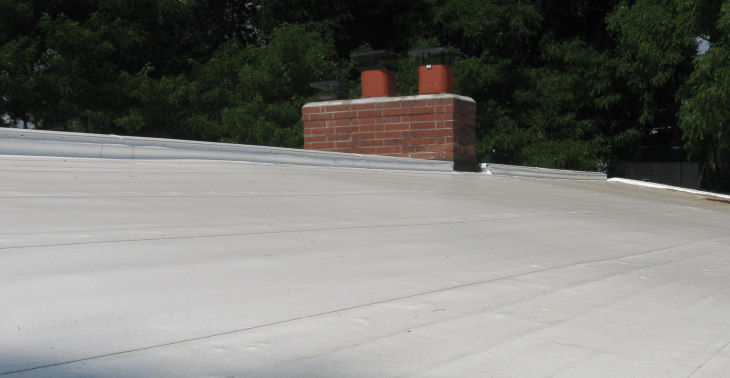
Photo of cool roof

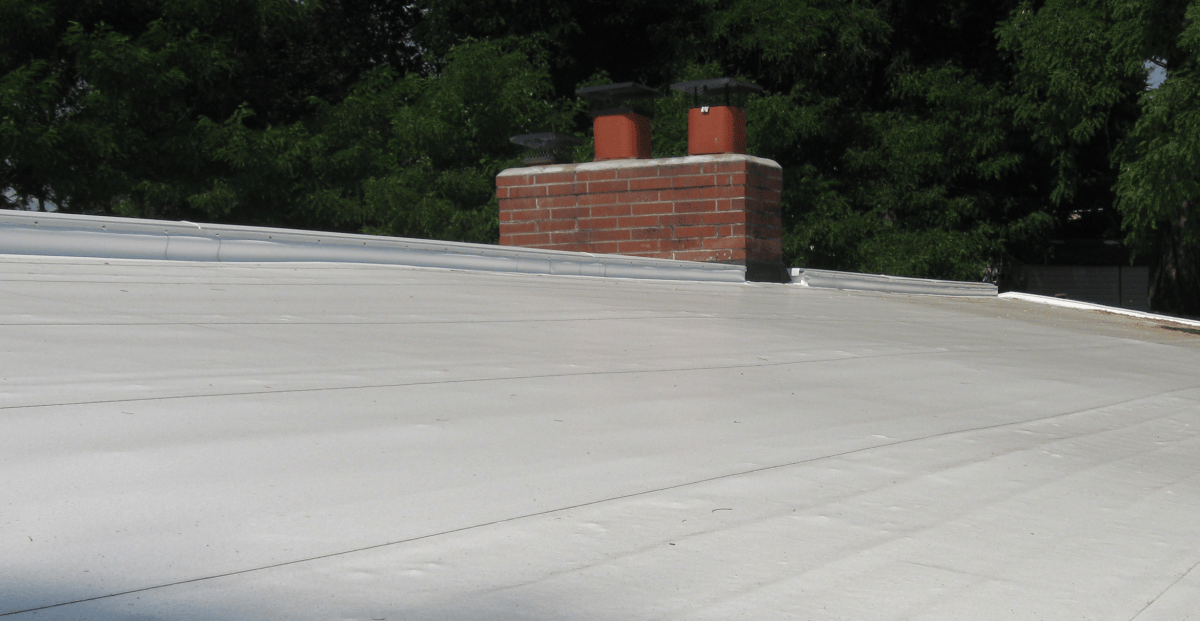
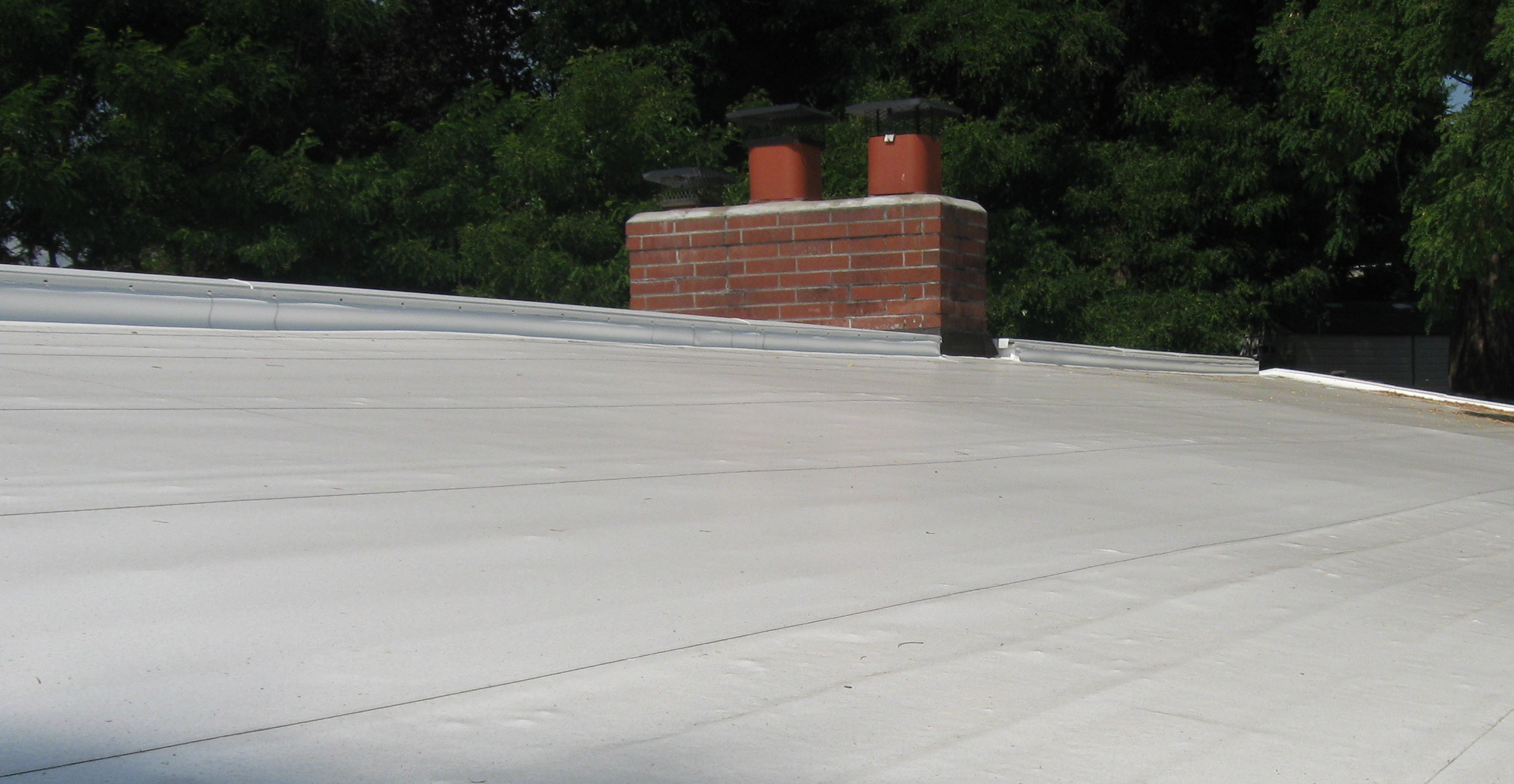
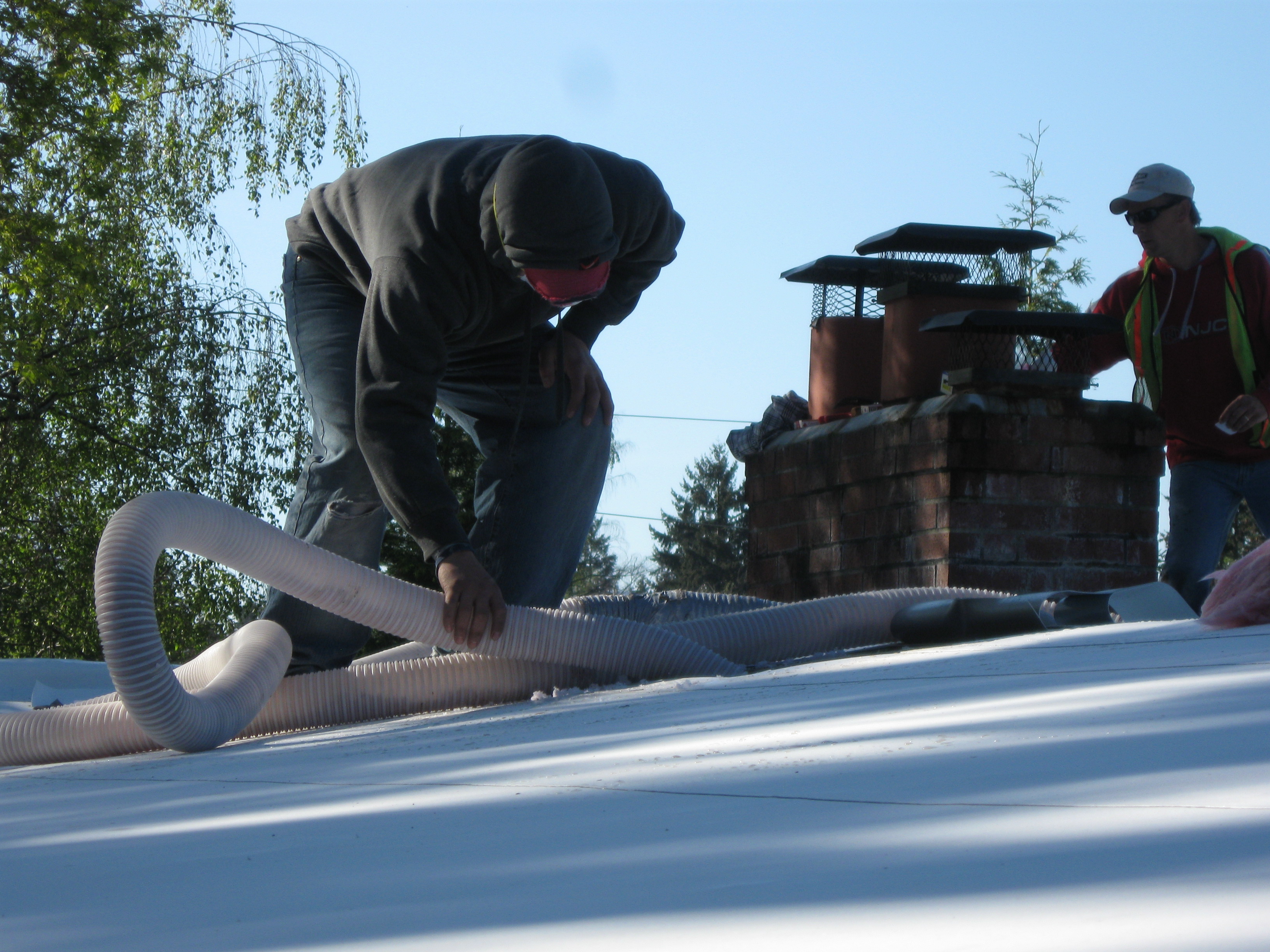
Cool roofs are white or light colored membranes that reflect heat away from the interior.

Heat endurance 101

Older homes here don’t have air conditioning, nor even do many of the newer ones. The theory goes that you’re only going to have 2-3 weeks a summer of uncomfortably hot temperatures here, so you outsmart it by drawing shades during the day (particularly on south-facing windows), picking out that sweet spot in the evening to open up windows and let the cooler night air indoors, turning on fans in the most popular rooms of the house, wearing shorts and t-shirts, and drinking lots of water.

And that did indeed do the trick the first few summers I spent in my 1957-built home. At least for me. My thickly-coated, panting dog told a different story, especially weekdays when I’d come home from a day in the air-conditioned office, and he’d have spent the day baking in the warm, stuffy air of the sealed-up house.

Photograph of dog

The thick undercoat on my little kooikerhundje makes hot summer temperatures especially difficult for him.

House guests, too, joined the dog in a chorus of complaints, so I was soon outnumbered: either get central air for the house, or come up with some other solution.

The tipping point for me came last summer. There were a few 100+ degree days to contend with, and it seemed to me that summers were trending toward longer, hotter, dryer stretches than ever before. Now you didn’t just have to outsmart the season for 2-3 weeks; you might have to cope with it a full 2-3 months. Washington was becoming the new California!

The case against air conditioning

So, even I had concluded by the end of summer 2009 that I wasn’t willing to maintain the status quo for next summer; something had to be done. Yet I still didn’t like the idea of air conditioning. It was additive, not preventative. Got a problem? Technology lets you solve it by purchasing something new, by adding on. I’ve lived long enough to be skeptical of that consumer mantra.

Central air is not a trivial expense, running you $3,000 – $6,000 assuming your ductwork for heat even allows you to “piggyback” air conditioning into it. And despite the warming trends I mentioned earlier, this is Seattle after all, so there would be occasional mild summers that would leave you scratching your head as to why you invested so much in AC.

Economics aside, air conditioning can be a frightening energy hog for anyone even mildly conscientious about conservation. Puget Sound Energy states that input wattage for electric central air conditioners can reach 6 kilowatts during operation.
Nearly 20 percent of the electricity consumption in the U.S. is attributable to cooling buildings.
To put that in perspective, that’s about the power you’d consume running your stove and your clothes dryer—combined.

Moreover, peering beyond one’s own fence line, you find that nearly 20 percent of the electricity consumption in the U.S. is attributable to cooling buildings.

New air conditioning systems place a premium on energy efficiency, of course, with the requisite Energy Star rating system to help you identify manufacturers and models. But I still held to the notion that I might solve this heat problem of mine with prevention.

Re-roofing options

I knew my roof was near the end of its useful life. When I moved into the home in 2001, the home inspector estimated I had about 5 years left in the roof, so I’d pushed that expectancy to just about double. With re-roofing inevitable, I began to investigate my options. I’d heard of “green roofs,” which deploy soil and vegetation to improve the cooling and insulation of a building, but I am sorry to admit that I balked at the “kookiness” factor: what would the neighbors think?

But what about “cool roofs”? I’d recently read that Secretary Chu of the Department of Energy advocated them. This piqued my interest, but I had some concerns. Would it make my house look institutional? Would it cost too much? Would it really work?

The majority of homes in my neighborhood are built in that classic 1950s suburban rambler style, with one-level and a low pitch to the roof. At one point I considered changing the roof structure to improve drainage with a higher pitch, but ultimately opted against this because of extra costs involved, as well as the desire to preserve the visual character of these kinds of homes.

The two main roofing options for low-pitch roofs are torch-down, which is what my existing roof was made of, and PVC material, which is widely used for commercial roofs but is a relative newcomer in the residential market. As for traditional shingle-style roofing, roofers generally don’t even offer it for low pitches, as there is more exposure to damage from high wind.

Visually, torch-down was definitely what I was used to. The advantages of simply replacing one torch-down with another included aesthetic comfort (knowing the look of the home would persist), and relative cheapness (it’s a tried-and-true roofing method that costs about two-thirds what newer materials and techniques cost).

But in the end, PVC won out, and here’s why:

  • The reflectivity of a true cool roof, white and made of PVC, is far greater than what a torch-down can provide. Sure, you can get torch-down in light hues. Probably not pure white, but mine was a light gray. The problem had more to do with its tar base and rough, granulated surface (as opposed to the very smooth plastic surface of a PVC membrane). One roofer told me it was functioning more like an oven! Those 90+ degree days of summer would drive my thermostat to its maximum measurement of 88, so the old roof was providing no real relief.
  • PVC is fully recyclable, while the torch-down is landfill bound.
  • PVC roofing can carry a lifetime warranty (or 25 years if you sell the home), and you can reasonably expect your re-roofing job to be the last one you’ll ever do. By contrast, a torch-down roof will last you 15 years if you are lucky.
  • Finally, torch-down requires an open flame during installation (it is, after all, called “torch” down). Accidental fires are rare with this method, but there is probably a reason that insurance rates are high for roofers offering the service, and only one of the four estimates I got on my job was based on that method. A single stray ember landing in the wrong place in your rafters can flare to life days later. Meanwhile, the PVC installation process does not require an open flame.

Taking bids and getting a new roof

Once I’d decided on the material (PVC) and the color (white for optimal reflectivity), I could get down to business by interviewing prospective roofers, understanding the budget required, including tax credits and utility rebates, and identifying options I could really do without. Here are some basic tips and “gotchas” to be aware of when you are planning a project like this:

  • Seek multiple bids on your re-roofing job, and allow yourself plenty of time to ask questions of each salesman. Some know a lot more than others, and their awareness of roofing as an environmental topic varies greatly. For example, one roofer objected to the notion that I might eventually like to add solar panels to my roof, while another dug right in and started suggesting optimal orientations and designs!
  • TPO is a similar roofing membrane type to PVC, and costs a little less. But it can become comparatively brittle over time, so prefer the suppler PVC membrane if you have the budget for it.
  • PVC membranes come in different thicknesses, such as 40-millimeter, 60-mm, and 80-mm. As you might expect, the thicker the membrane, the more durable over time. I opted for 60, which the salesman conceded would still provide good durability for about $3000 less than covering my house in 80.
  • Ask if the labor for your roofing job will be sub-contracted out. This one I found out the hard way, only after the fact. Fortunately, I was pleased with the work of the sub-contractor, but an ethical prime contractor should be straightforward about how the job will be done.
  •  Try to be on site during parts of the roofing job, especially the beginning. You can spot possible issues early that way. For example, I had to clarify to the crew that blowing in insulation was part of the work order, and that there was no access point to the attic from inside the house.
  • Ask for any necessary forms and papers you will need to claim your federal energy bill tax credit for purchasing a cool roof. Mine included a “Manufacturers Certification” form and letter stating that my roof material meets or exceeds Energy Star program requirements.
  • If your re-roofing job includes adding insulation to your attic, check with your utility company about any efficiency rebate programs they might have. Your roofing salesman probably won’t know about these, so you as the buyer must be proactive about them.
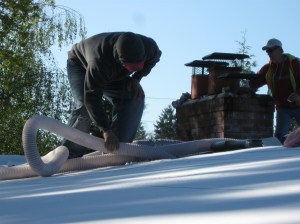
Photo of worker on roof

Re-roofing provided me a great opportunity to add insulation to the attic; Puget Sound Energy sent me a rebate check that covered about a third of the expense.

Conclusion: do the numbers add up?

So, does installing a cool roof make sense from a financial point of view? Here’s how I’d crunch the numbers to compare my prevention-focused cooling solution with a more traditional “additive” solution like air conditioning. All numbers are approximated.

Cool roof: $18,000

Standard roof: $11,000

Given that the roof had to be replaced anyway, I spent about $7,000 over and above that to “upgrade” from the torch-down membrane to the PVC. But if I had gone with torch-down, remember that the house would have continued to bake in the summer sun, and I likely would have had to purchase central air. Note that window AC units would not work well for my home, as the most lived-in area of the house has floor-to-almost-ceiling windows that don’t open.

So let’s pencil in central air installation to cost, conservatively, $4,000. That brings my surplus spending on the cool roof down to $3,000.

The question of cost-effectiveness then becomes two-fold: how much electricity does my cool roof save me, given less reliance on running fans during the summer, and how much electricity would running the air conditioner cost me? For the former, it will be hard to assess until I have a few years of data in front of me, in the form of utility bills, to compare the “before” and “after” electricity consumption. But if that week in July is any gauge, it looks like the cool roof is making a real difference.

For the latter, quite a number of variables come into play, including the efficiency of the air conditioning system, how many hours per day and days per year you run it, and how much electricity costs in your region. But it is certainly possible to spend hundreds of dollars per year on it.

How many more years will I live in this house? Who knows? Life circumstances can change. Careers and families have a way of trumping mere buildings on a person’s list of priorities.

If I am here 5 more years I will probably break even on the roof as an investment. Beyond that is gravy, profit, lagniappe.

But here’s the kicker: even if it doesn’t pay off for me personally, if for some unforeseen reason I need to sell the home and move next year, this cool roof will pay off for the next owner, for the one after that, and for the environment as a whole. I’ve made a long-term commitment on behalf of one building to try to do the right thing.

And that feels really good.